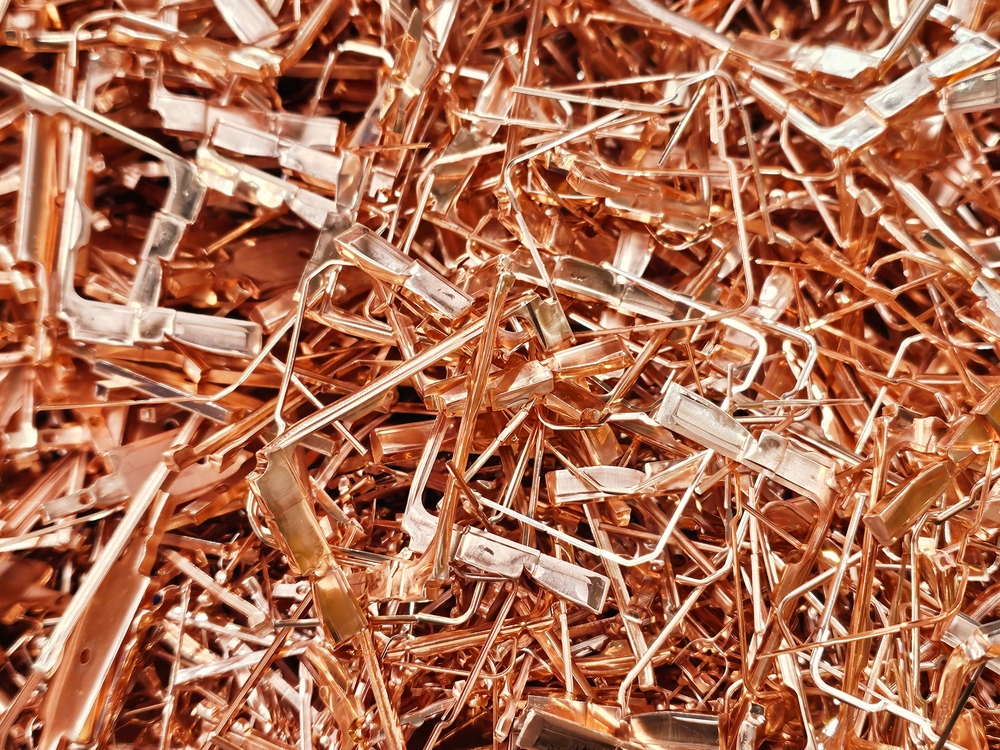
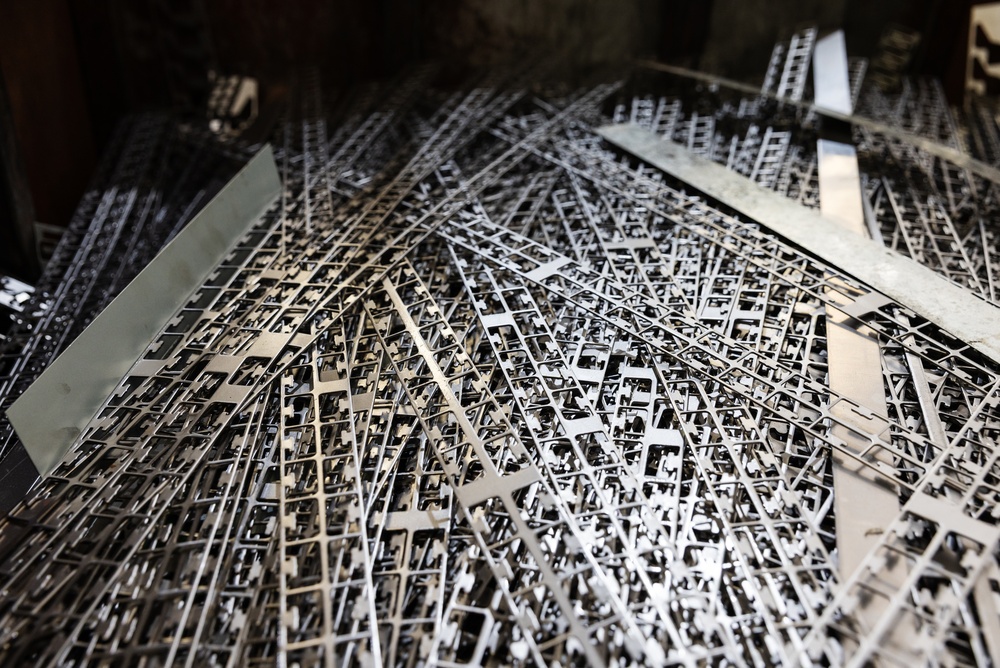
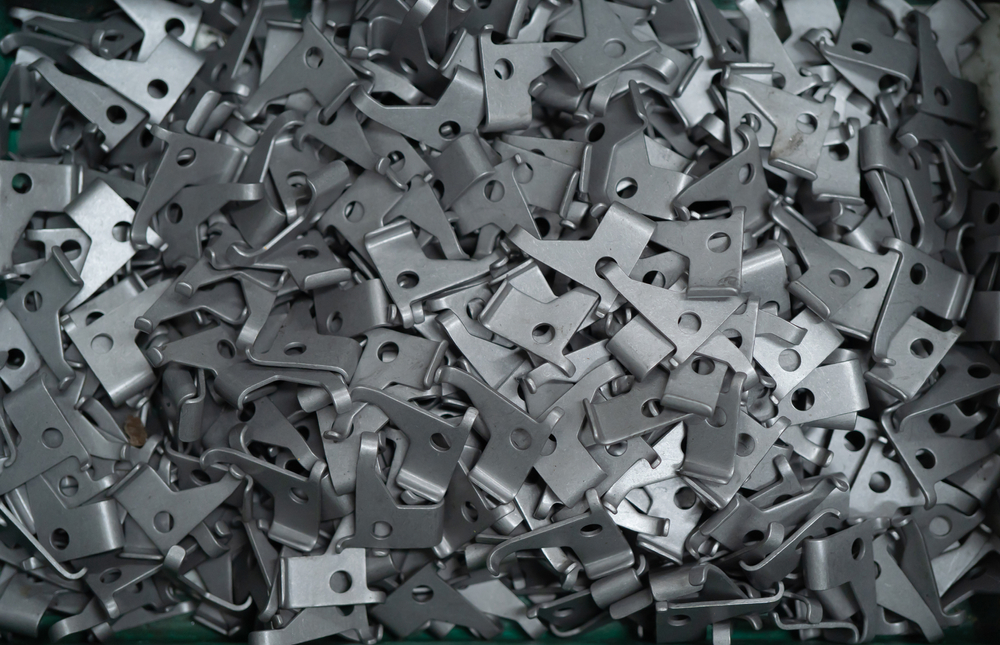
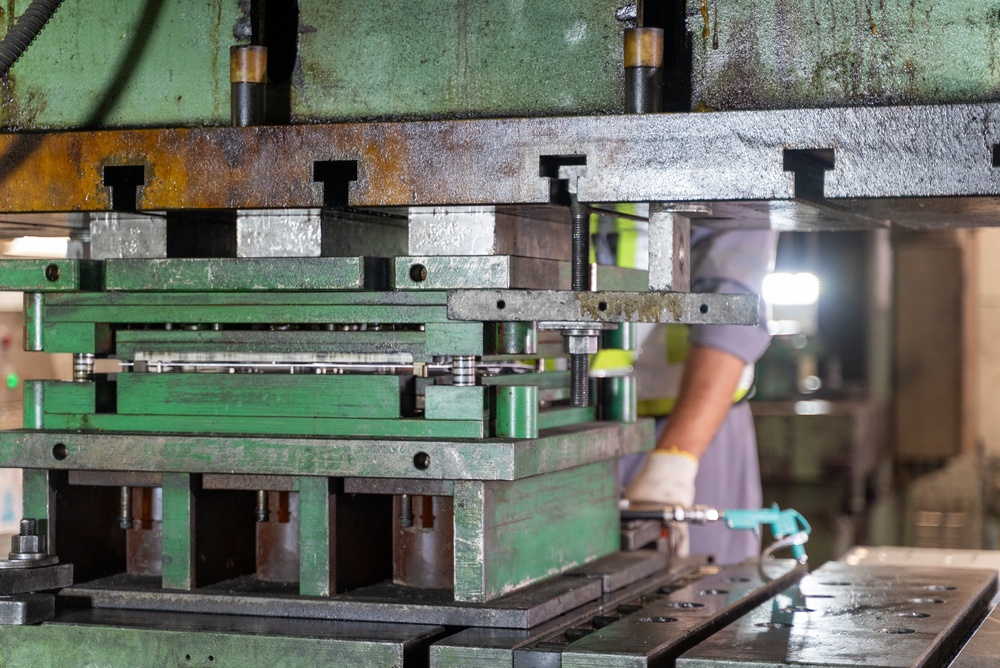
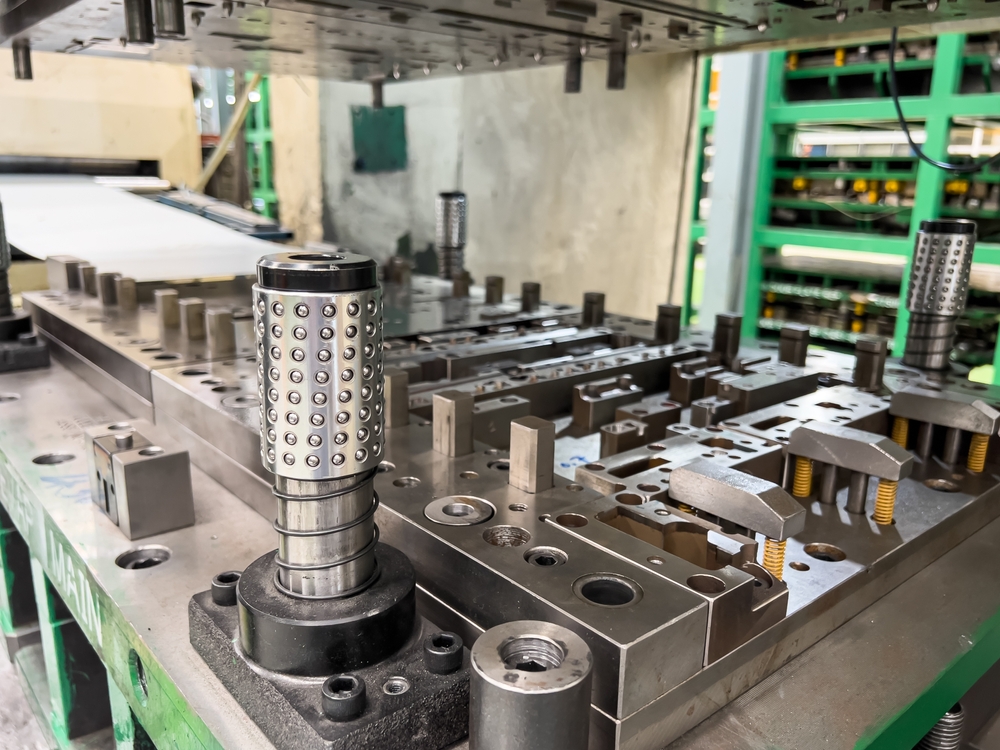
Copper is one of the most valuable metals in modern manufacturing. Its excellent electrical conductivity, thermal performance, corrosion resistance, and formability make it essential for producing components used in electrical systems, electronics, automotive assemblies, telecommunications, and industrial equipment. However, turning copper into a reliable finished component requires more than choosing the right material. Manufacturers must account for material thickness, alloy composition, tooling design, dimensional tolerances, and production volume. These decisions directly affect part performance, manufacturing costs, and long-term reliability. Copper metal stamping provides an efficient way to transform copper sheets and coils into precision components. Using specialized dies and mechanical presses, manufacturers can cut, bend, form, and shape copper into parts with consistent dimensions and repeatable quality. From simple electrical contacts to complex copper terminals and connectors, metal stamping supports both high-volume manufacturing and specialized industrial applications. Understanding the materials, processes, benefits, and applications of copper stamping can help engineers, purchasing managers, and product designers make informed manufacturing decisions. What Is Copper Metal Stamping? Copper metal stamping is a manufacturing process that uses stamping presses and precision tooling to transform flat copper material into finished or partially finished components. The process typically begins with copper sheet, strip, or coil stock. A stamping press applies controlled force through a die to cut, punch, bend, or form the material into a specific shape. Depending on the part design, a manufacturer may perform several operations during one press cycle or use multiple stages to achieve the required geometry. Common copper stamped components include electrical terminals, connectors, busbar components, grounding contacts, conductive clips, brackets, and electronic hardware. Unlike machining, which removes material using cutting tools, stamping primarily uses shearing and plastic deformation to create the desired shape. This distinction makes stamping particularly attractive when manufacturers need large quantities of identical components. How Copper Stamping Differs From Other Metal Forming Methods Copper components can be produced through machining, casting, forging, and several other manufacturing methods. Each process has advantages, but stamping is especially effective for parts made from relatively thin, flat stock. For example, a copper electrical terminal may require a precisely located mounting hole, a formed contact area, and a narrow profile. A stamping die can perform these operations efficiently, often within a progressive production sequence. Machining may be more appropriate when a component requires substantial thickness, deep internal features, or complex three-dimensional geometry that cannot be formed economically from sheet material. Copper stamping is generally preferred when part geometry, production volume, and material requirements support repeatable press operations. Why Copper Is an Excellent Material for Metal Stamping Copper offers a combination of physical and mechanical properties that few other metals can match. Its performance advantages extend beyond electrical conductivity. Copper is also relatively ductile, transfers heat efficiently, and can be manufactured in different tempers to meet specific forming requirements. Excellent Electrical Conductivity One of copper's most important characteristics is its ability to conduct electricity efficiently. Copper has an electrical conductivity of approximately 100% IACS (International Annealed Copper Standard) when measured against the reference conductivity of annealed copper. Actual conductivity varies by alloy, temper, and material condition. This property makes copper an excellent choice for components that carry electrical current. Stamped copper parts are commonly used in: Electrical connectors and terminals Power distribution systems Grounding components Switches and contact assemblies Battery connections Electrical control equipment…