
What Is a CAD Model? A Complete Guide to Computer-Aided Design in Manufacturing
A small design mistake can become an expensive problem once a part reaches production. A hole positioned slightly off-center, an incorrect bend angle, or a component with insufficient clearance can lead to wasted materials, assembly problems, and manufacturing delays. This is why manufacturers rely on accurate digital designs before cutting, forming, or machining metal. A CAD model provides the foundation for that process. But what is a CAD model, and how does it help manufacturers produce accurate parts? A CAD model is a digital representation of a physical object created using computer-aided design (CAD) software. It defines a part’s geometry,
Copper Metal Stamping: Materials, Processes, Benefits, and Industrial Applications
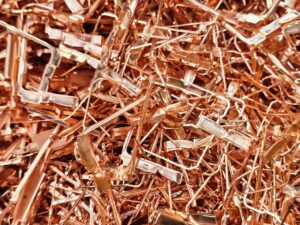
Copper is one of the most valuable metals in modern manufacturing. Its excellent electrical conductivity, thermal performance, corrosion resistance, and formability make it essential for producing components used in electrical systems, electronics, automotive assemblies, telecommunications, and industrial equipment. However, turning copper into a reliable finished component requires more than choosing the right material. Manufacturers must account for material thickness, alloy composition, tooling design, dimensional tolerances, and production volume. These decisions directly affect part performance, manufacturing costs, and long-term reliability. Copper metal stamping provides an efficient way to transform copper sheets and coils into precision components. Using specialized dies and mechanical presses, manufacturers can cut, bend, form, and shape copper into parts with consistent dimensions and repeatable quality. From simple electrical contacts to complex copper terminals and connectors, metal stamping supports both high-volume manufacturing and specialized industrial applications. Understanding the materials, processes, benefits, and applications of copper stamping can help engineers, purchasing managers, and product designers make informed manufacturing decisions. What Is Copper Metal Stamping? Copper metal stamping is a manufacturing process that uses stamping presses and precision tooling to transform flat copper material into finished or partially finished components. The process typically begins with copper sheet, strip, or coil stock. A stamping press applies controlled force through a die to cut, punch, bend, or form the material into a specific shape. Depending on the part design, a manufacturer may perform several operations during one press cycle or use multiple stages to achieve the required geometry. Common copper stamped components include electrical terminals, connectors, busbar components, grounding contacts, conductive clips, brackets, and electronic hardware. Unlike machining, which removes material using cutting tools, stamping primarily uses shearing and plastic deformation to create the desired shape. This distinction makes stamping particularly attractive when manufacturers need large quantities of identical components. How Copper Stamping Differs From Other Metal Forming Methods Copper components can be produced through machining, casting, forging, and several other manufacturing methods. Each process has advantages, but stamping is especially effective for parts made from relatively thin, flat stock. For example, a copper electrical terminal may require a precisely located mounting hole, a formed contact area, and a narrow profile. A stamping die can perform these operations efficiently, often within a progressive production sequence. Machining may be more appropriate when a component requires substantial thickness, deep internal features, or complex three-dimensional geometry that cannot be formed economically from sheet material. Copper stamping is generally preferred when part geometry, production volume, and material requirements support repeatable press operations. Why Copper Is an Excellent Material for Metal Stamping Copper offers a combination of physical and mechanical properties that few other metals can match. Its performance advantages extend beyond electrical conductivity. Copper is also relatively ductile, transfers heat efficiently, and can be manufactured in different tempers to meet specific forming requirements. Excellent Electrical Conductivity One of copper’s most important characteristics is its ability to conduct electricity efficiently. Copper has an electrical conductivity of approximately 100% IACS (International Annealed Copper Standard) when measured against the reference conductivity of annealed copper. Actual conductivity varies by alloy, temper, and material condition. This property makes copper an excellent choice for components that carry electrical current. Stamped copper parts are commonly used in: High electrical conductivity helps reduce resistive losses, although component performance also depends on contact resistance, geometry, surface condition, and operating temperature. High Thermal Conductivity Copper transfers heat efficiently, making it useful for components exposed to elevated temperatures or designed to dissipate thermal energy. Stamped copper components may be incorporated into heat spreaders, thermal contacts, power electronics, and other equipment where effective heat transfer is important. In electrical assemblies, copper’s thermal conductivity can also help distribute heat generated by current flow. Excellent Formability and Ductility Copper can undergo significant plastic deformation without fracturing when the appropriate alloy, temper, tooling, and forming conditions are used. This characteristic allows manufacturers to create bends, flanges, tabs, and other formed features. Annealed copper is particularly well suited for demanding forming operations because it offers greater ductility than harder tempers. However, copper work-hardens during deformation. Manufacturers must consider this behavior when designing parts with tight bends or multiple forming operations. Natural Corrosion Resistance Copper develops a protective surface film when exposed to the atmosphere. This contributes to its corrosion resistance in many environments. For electrical components, however, corrosion resistance and electrical contact performance are not necessarily the same. Oxidation and surface contamination can increase contact resistance, particularly in low-force electrical connections. Manufacturers may specify tin, nickel, silver, or other surface finishes when contact reliability, solderability, or environmental protection is critical. Long-Term Durability Properly designed copper components can provide dependable service over extended periods. Durability depends on several factors, including the selected copper alloy, operating temperature, mechanical loading, exposure conditions, and whether the part experiences repeated bending or vibration. For components that require spring action or sustained contact force, a copper alloy may perform better than commercially pure copper. Types of Copper Materials Used in Metal Stamping Not all copper materials behave the same way during stamping. Manufacturers select copper grades and alloys based on electrical conductivity, mechanical strength, corrosion resistance, forming requirements, and cost. The material’s temper is equally important because it influences hardness, ductility, and springback. C110 Copper: Electrolytic Tough Pitch Copper C110 copper, commonly called Electrolytic Tough Pitch (ETP) copper, is one of the most widely used grades for electrical applications. It typically contains at least 99.90% copper and offers excellent electrical and thermal conductivity. C110 is frequently selected for stamped electrical components because it combines strong conductive performance with good formability. Typical applications include electrical terminals, busbar components, grounding straps, conductive plates, and power distribution hardware. The material is available in different tempers, allowing manufacturers to balance forming characteristics with strength requirements. C101 Copper: Oxygen-Free Electronic Copper C101 is a high-purity, oxygen-free copper grade commonly used in applications with demanding conductivity and material purity requirements. It typically contains at least 99.99% copper. C101 provides excellent electrical and thermal conductivity and is useful in specialized electronic, electrical, and vacuum-related applications. Its higher material cost means it is generally selected when its specific characteristics provide a measurable advantage over more conventional copper grades. C102 Copper: Oxygen-Free Copper C102 copper is another oxygen-free grade with excellent conductivity and formability. It is used in electrical components and applications where oxygen content must be carefully controlled. C102 can also be appropriate for certain high-temperature joining or processing conditions where oxygen-bearing copper may present limitations. For most general electrical stamping applications, the decision between C101, C102, and C110 should be based on actual performance requirements rather than material purity alone. Copper Alloys Used in Precision Stamping Pure copper is not always the best choice. Some stamped components require greater mechanical strength, wear resistance, or spring performance than commercially pure copper can provide. Copper alloys offer alternative property combinations. Material Key characteristics Common applications C110 copper Excellent conductivity and good formability Electrical terminals, grounding parts, busbar components C101 copper High purity and excellent conductivity Specialized electrical and electronic components C102 copper Oxygen-free composition and excellent conductivity Electrical contacts and specialized assemblies Brass Good formability, moderate conductivity, and useful strength Connector hardware, terminals, fittings Phosphor bronze Good spring properties, fatigue resistance, and wear performance Spring contacts, clips, connectors Beryllium copper High strength and excellent spring performance after suitable processing Precision contacts and spring components The correct material depends on the component’s function. For example, a power distribution component may prioritize electrical conductivity, while a spring contact must maintain consistent mechanical pressure over repeated operating cycles. How Copper Temper Affects Stamping Performance Copper temper describes the material’s mechanical condition, often established through cold working or annealing. Softer tempers generally offer greater ductility, making them useful for complex forming operations. Harder tempers provide increased strength but typically have less forming capability and may produce greater springback. A part requiring several tight bends may benefit from softer copper stock. A relatively flat electrical component that needs dimensional stability may use a harder temper. Engineers should evaluate the required material condition early in the design process because changing temper can affect tooling, tolerances, and part performance. How the Copper Metal Stamping Process Works Copper stamping involves several coordinated manufacturing steps. While the exact production sequence varies by component, most projects follow a similar progression from material selection through final inspection. 1. Part Design and Engineering Review The process begins with a detailed part drawing or CAD model.
Choosing a Manufacturing Partner That Handles Stamping, Machining, and Finishing In-House
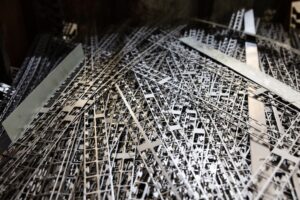
Manufacturing a metal component rarely comes down to a single operation. A part may begin as coil or sheet metal, move through a stamping press, require secondary machining to achieve a critical tolerance, and then need deburring, tumbling, welding, or another finishing process before it is ready for assembly. When those operations are spread across several suppliers, every handoff introduces another variable. Parts have to be transported, schedules coordinated, quality requirements communicated, and problems traced back through multiple companies. Choosing a manufacturing partner that handles metal stamping, machining, and finishing in-house can simplify that process considerably. Instead of managing one
What Is Wire Forming? Processes, Materials, and Industries That Rely on It
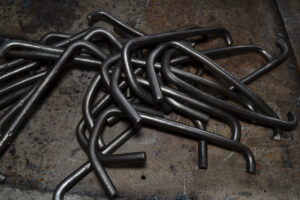
Wire forming is a manufacturing process that transforms metal wire into specific shapes, profiles, and functional components. Depending on the part, manufacturers may bend, cut, coil, straighten, flatten, thread, weld, or otherwise manipulate wire to create everything from simple clips and hooks to complex precision components. Although the finished parts can look relatively simple, producing them consistently is a precision manufacturing challenge. Wire diameter, material properties, bend radius, springback, tooling, dimensional tolerances, production volume, and the intended application can all influence how a component should be made. Modern wire forming processes are used across automotive, aerospace, construction, electronics, medical equipment,
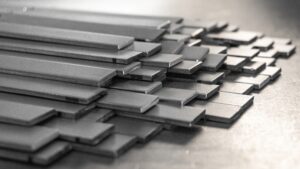
Stainless Steel Metal Stamping: Materials, Processes, Benefits, and Applications
Stainless steel metal stamping is a high-performance manufacturing process used to produce durable, corrosion-resistant components for industries that cannot afford premature wear, contamination, or dimensional inconsistency. From medical devices and food-processing equipment to automotive hardware, electrical components, industrial machinery, and consumer products, stamped stainless steel parts are used wherever strength, cleanliness, and environmental resistance matter. What makes stainless steel attractive is also what makes it more demanding to manufacture. Compared with mild carbon steel, many stainless grades are stronger, harder, and more prone to work hardening. They can require greater press force, carefully selected die clearances, effective lubrication, and tooling
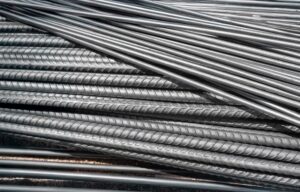
Carbon Steel Metal Stamping: Materials, Processes, Benefits, and Applications
Carbon steel metal stamping is a widely used manufacturing process for producing strong, repeatable components at scale. It combines the durability and cost efficiency of carbon steel with the speed and consistency of precision stamping, making it a practical choice for automotive parts, industrial hardware, brackets, clips, enclosures, appliance components, and countless other manufactured products. Unlike stainless steel or aluminum, carbon steel contains relatively little chromium and is typically selected for its mechanical strength, formability, availability, and economical material cost. Depending on the grade, carbon content, hardness, and temper, it can be engineered for anything from easy bending and deep