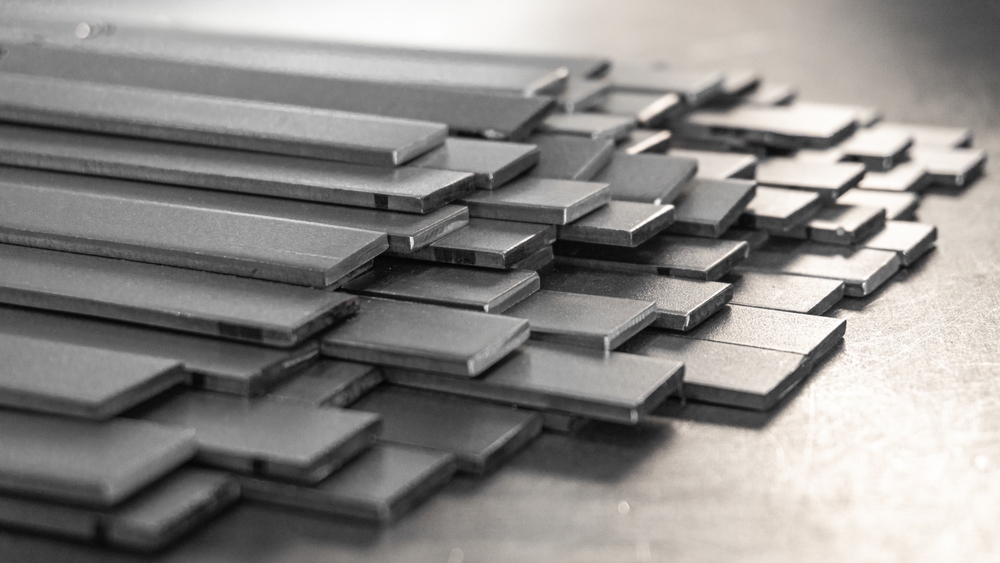
Stainless steel metal stamping is a high-performance manufacturing process used to produce durable, corrosion-resistant components for industries that cannot afford premature wear, contamination, or dimensional inconsistency. From medical devices and food-processing equipment to automotive hardware, electrical components, industrial machinery, and consumer products, stamped stainless steel parts are used wherever strength, cleanliness, and environmental resistance matter.
What makes stainless steel attractive is also what makes it more demanding to manufacture. Compared with mild carbon steel, many stainless grades are stronger, harder, and more prone to work hardening. They can require greater press force, carefully selected die clearances, effective lubrication, and tooling designed to resist wear and galling.
For manufacturers considering stainless steel metal stamping, the process is less about whether stainless steel can be stamped and more about matching the correct grade, temper, tooling strategy, and forming sequence to the part.
When those variables are engineered correctly, stainless steel stamping can deliver excellent repeatability, long service life, and efficient production across both moderate- and high-volume programs.
What Is Stainless Steel Metal Stamping?
Stainless steel metal stamping is a manufacturing process that uses stamping presses and custom dies to cut, bend, draw, pierce, form, or otherwise shape stainless steel sheet or coil into a finished component.
The process can range from a simple blanking operation to a complex progressive die sequence containing several forming stations.
Common stainless steel stamping operations include:
- Blanking
- Piercing
- Punching
- Bending
- Flanging
- Coining
- Embossing
- Drawing
- Trimming
- Forming
- Progressive die stamping
A relatively simple stainless steel clip might require only blanking and bending. A more complex component may move through several stations where holes are pierced, outside edges are trimmed, flanges are created, and final dimensions are established before the part is separated from the strip.
For higher production volumes, this ability to combine multiple operations can significantly reduce manual handling and improve consistency.
Why Stainless Steel Is Used for Metal Stamping
Stainless steel offers a combination of performance characteristics that can be difficult to duplicate with conventional carbon steel.
Its most recognizable advantage is corrosion resistance, but that is only one reason manufacturers specify it.
Corrosion Resistance
Stainless steel contains chromium, which forms a thin passive oxide layer on the surface of the material.
This layer helps protect the underlying metal from corrosion and can reform when the surface is damaged under suitable environmental conditions.
Corrosion resistance is particularly important for components exposed to:
- Moisture
- Humidity
- Cleaning chemicals
- Food products
- Outdoor conditions
- Certain industrial chemicals
- Medical environments
The level of corrosion resistance depends on the alloy. A grade suitable for an indoor appliance component may not be appropriate for marine exposure or aggressive chemical environments.
High Strength
Many stainless steel grades provide strong mechanical performance even at relatively thin gauges.
This can make stainless useful for components that need to resist deformation, repeated loading, vibration, or mechanical abuse.
Depending on grade and temper, stamped stainless components can be engineered for:
- Structural strength
- Spring action
- Wear resistance
- Impact resistance
- Fatigue performance
The tradeoff is that higher-strength stainless steels can be more difficult to form.
Excellent Surface Appearance
Stainless steel provides a clean, recognizable metallic appearance that can be desirable when a stamped component remains visible in the finished product.
Different surface finishes can be specified depending on cosmetic, sanitary, or functional requirements.
Visible surfaces require special attention during stamping because scratches, tool marks, or handling damage may be unacceptable even when dimensional specifications are met.
Heat Resistance
Certain stainless steel grades maintain useful mechanical and oxidation resistance at elevated temperatures.
This can make them suitable for stamped components used in:
- Exhaust systems
- Heating equipment
- Industrial machinery
- Cooking appliances
- High-temperature processing equipment
The correct grade must be selected based on the actual operating temperature and environment.
Hygiene and Cleanability
Stainless steel is widely used in food-processing, pharmaceutical, and medical applications because its surface can be cleaned effectively and does not require a protective paint coating to achieve basic corrosion resistance.
Part geometry still matters. Crevices, burrs, rough edges, and poorly designed joints can affect cleanability even when the base material is stainless steel.
Long Service Life
The initial material cost of stainless steel is often higher than conventional carbon steel, but service life can change the overall economics.
A component that resists corrosion without frequent repainting, replacement, or protective coating may provide a lower lifetime cost in demanding environments.
Common Stainless Steel Grades Used in Metal Stamping
There is no single stainless steel grade suitable for every stamping application.
Stainless steels are grouped into several families, with austenitic and ferritic grades among the most common in sheet-metal stamping.
301 Stainless Steel
301 stainless steel is an austenitic grade known for high strength and excellent work-hardening characteristics.
It can be particularly useful for stamped parts that need spring properties.
Common applications can include:
- Clips
- Springs
- Retainers
- Fasteners
- Flexible components
- Structural hardware
301 can develop substantially greater strength through cold working, which is valuable in the finished component but requires careful consideration during forming.
304 Stainless Steel
304 stainless steel is one of the most widely used stainless alloys.
It provides a strong balance of:
- Corrosion resistance
- Formability
- Weldability
- Strength
- Availability
It is commonly used for stamped components in appliances, food equipment, industrial products, consumer goods, and general manufacturing.
304 can be formed successfully, but its tendency to work harden means tool design and forming sequence must be planned carefully.
316 Stainless Steel
316 stainless steel contains molybdenum, which improves resistance to certain corrosive environments, particularly those involving chlorides.
It is commonly considered for:
- Marine applications
- Chemical-processing equipment
- Medical components
- Pharmaceutical equipment
- Food-processing environments
316 is generally more expensive than 304, so it is usually specified when its enhanced corrosion resistance provides a meaningful functional benefit.
430 Stainless Steel
430 stainless steel is a ferritic stainless grade.
It provides useful corrosion resistance and is generally less expensive than many austenitic stainless steels.
Applications can include:
- Appliance components
- Decorative trim
- Automotive trim
- Consumer products
- Indoor equipment
Its forming behavior differs from 304 or 301, so material selection should consider both finished-part requirements and tooling strategy.
17-7 PH Stainless Steel
17-7 precipitation-hardening stainless steel is used when high strength, fatigue resistance, and corrosion resistance are required.
It may be selected for stamped components such as:
- Springs
- Retaining devices
- Aerospace hardware
- High-performance clips
- Precision mechanical parts
Its processing requirements can be considerably different from conventional 300-series stainless steel, particularly when heat treatment is part of the final manufacturing sequence.
Austenitic vs. Ferritic Stainless Steel for Stamping
Understanding the stainless steel family can help explain how the material will behave during production.
Austenitic Stainless Steel
Austenitic grades include commonly used alloys such as 301, 304, and 316.
These materials generally offer:
- Excellent corrosion resistance
- Good ductility
- Good formability
- Strong weldability
- Significant work hardening
They are widely used in complex stamping applications.
The downside is that work hardening and galling can increase tooling demands.
Ferritic Stainless Steel
Ferritic grades, including 430, typically contain chromium but little or no nickel compared with many austenitic grades.
They can offer:
- Good corrosion resistance
- Moderate forming capability
- Lower material cost in some applications
- Magnetic properties
Ferritic grades do not generally work harden as aggressively as austenitic stainless steels, but they have their own forming limitations and should be evaluated according to part geometry.
How the Stainless Steel Metal Stamping Process Works
The physical press stroke takes only a fraction of the total engineering effort required for a successful stainless steel stamping program.
The process begins with material and component analysis.
Part and Material Review
The manufacturer first evaluates the part drawing and material specification.
Important factors include:
- Stainless steel grade
- Temper or hardness
- Material thickness
- Bend radii
- Hole locations
- Draw depth
- Surface requirements
- Critical tolerances
- Production volume
- Secondary operations
This review is particularly important with stainless steel because small design details can have a substantial effect on forming difficulty.
A sharp internal radius, for example, may be easily produced in one material but create cracking or excessive tool loading in a harder stainless grade.
Tool and Die Design
Tooling must be engineered around the specific stainless steel being processed.
Factors such as punch-to-die clearance, forming radius, tool steel selection, coatings, lubrication, and press capacity all influence performance.
Stainless steel tooling must also account for:
- Higher forming forces
- Work hardening
- Springback
- Galling
- Tool wear
- Heat generated by friction
Poorly matched tooling can result in dimensional instability, excessive burrs, cracked parts, or short tool life.
Coil Feeding and Straightening
Higher-volume stainless steel stamping often begins with coil stock.
The material may pass through an uncoiler, straightener, and precision feeder before entering the die.
Straightening helps remove coil set and ensures that the strip enters the tool consistently.
Accurate feed length is critical in progressive die stamping because every station depends on precise strip positioning.
Cutting and Forming
Once inside the tool, the stainless steel is progressively cut and shaped.
Depending on the part, operations can include:
- Piercing holes
- Blanking profiles
- Forming bends
- Creating flanges
- Embossing features
- Drawing recessed sections
- Coining precision details
- Trimming excess material
Complex parts may require several intermediate forming stages to avoid concentrating too much strain in one operation.
Part Separation and Finishing
After the primary stamping operation is complete, parts may require further processing.
Common secondary operations include:
- Tumbling
- Deburring
- Cleaning
- Welding
- Machining
- Passivation
- Polishing
- Heat treatment
- Assembly
- Inspection
The exact sequence depends on both functional and cosmetic requirements.
Progressive Die Stamping Stainless Steel
Progressive die stamping is frequently used for high-volume stainless steel components.
A strip of stainless steel advances through multiple stations inside a single die. Each station performs another operation.
A typical sequence might include:
- Piercing pilot features.
- Punching functional holes.
- Trimming the external profile.
- Forming a first bend.
- Creating a flange.
- Coining a feature.
- Performing a final form.
- Cutting off the finished component.
Once the die is fully engaged with the strip, each press cycle can produce another completed part.
Progressive stamping can provide:
- High throughput
- Consistent dimensions
- Reduced handling
- Fewer separate operations
- Improved repeatability
- Lower labor per part
The tooling investment is usually higher than for simple standalone dies, so progressive stamping is most attractive when production volumes justify the initial cost.
Deep Draw Stainless Steel Stamping
Stainless steel can also be deep drawn into hollow or recessed shapes.
Typical products can include:
- Cups
- Shells
- Containers
- Housings
- Cylindrical components
- Medical components
- Food-processing parts
Deep drawing requires material to flow into a die cavity without tearing or wrinkling.
Key variables include:
- Stainless grade
- Material thickness
- Blank diameter
- Draw ratio
- Die radius
- Punch radius
- Blank-holder pressure
- Lubrication
Austenitic grades such as 304 can provide excellent ductility, but they also work harden rapidly.
For demanding geometries, multiple draw stages or intermediate annealing may be considered depending on the material and production method.
Work Hardening in Stainless Steel Stamping
Work hardening is one of the defining characteristics of many stainless steels.
As stainless steel is plastically deformed, it becomes harder and stronger.
This can be beneficial in the final component, but it also makes subsequent forming operations more difficult.
A part that undergoes several aggressive forming stages can become progressively more resistant to deformation.
Tool designers manage this through:
- Controlled forming sequences
- Appropriate radii
- Effective lubrication
- Intermediate forming operations
- Careful material selection
In some applications, the work-hardening behavior of the material is intentionally used to increase finished-part strength.
Galling During Stainless Steel Stamping
Galling occurs when material transfers between the stainless steel workpiece and the tooling surface during high-pressure sliding contact.
It is a common concern in stainless steel forming.
Galling can lead to:
- Scratches
- Surface pickup
- Increased friction
- Tool damage
- Poor cosmetic quality
- Dimensional problems
Several strategies can help reduce galling, including:
- Proper lubrication
- Tool coatings
- Hardened tooling
- Polished forming surfaces
- Controlled contact pressure
- Appropriate die geometry
For cosmetic stainless components, galling prevention is particularly important because surface defects may make otherwise functional parts unacceptable.
Springback in Stainless Steel Forming
Stainless steel can exhibit significant springback after bending and forming.
When the press load is removed, the material partially recovers toward its original shape.
Springback is influenced by:
- Alloy
- Temper
- Material thickness
- Bend radius
- Forming angle
- Strength level
- Tool geometry
Manufacturers may compensate through overbending, restriking, bottoming, or specialized forming strategies.
Consistency between material lots is also important because changes in mechanical properties can influence finished bend angles.
Tool Wear in Stainless Steel Stamping
Stainless steel can be harder on tooling than mild steel.
Higher material strength, friction, work hardening, and galling all contribute to wear.
Signs of deteriorating tooling can include:
- Increasing burr height
- Poor edge quality
- Dimensional drift
- Surface marks
- Greater press loads
- Inconsistent holes
Tool steel selection, coatings, lubrication, preventive maintenance, and sharpening schedules all affect tooling life.
A high-volume stainless steel stamping program should therefore treat die maintenance as part of the production strategy rather than as an emergency response to failed parts.
Designing Stainless Steel Parts for Stamping
Design decisions can either simplify stainless steel stamping or make the process unnecessarily difficult.
A good design considers both final part performance and material behavior.
Use Appropriate Bend Radii
Very tight bends create concentrated strain and increase the possibility of cracking.
The minimum practical bend radius depends on:
- Grade
- Temper
- Material thickness
- Bend orientation
- Final geometry
Harder tempers and heavily work-hardened materials generally require more generous radii.
Watch Hole-to-Bend Distances
A hole located too close to a bend can distort as surrounding material stretches.
This can result in:
- Oval holes
- Misalignment
- Cracking
- Poor fastener fit
Sufficient spacing between pierced features and heavily formed regions helps maintain dimensional accuracy.
Account for Springback
A CAD model shows the finished geometry, not how the metal reaches it.
Stainless steel components must often be tooled to compensate for elastic recovery after forming.
This is especially relevant to brackets, spring clips, retainers, and components with multiple bends.
Avoid Unnecessary Tight Tolerances
Tight tolerances increase manufacturing demands.
They can require:
- More complex dies
- Additional forming stations
- More frequent tool maintenance
- Expanded inspection
- Secondary machining
- Higher scrap rates
Critical dimensions should receive the necessary control, but nonfunctional dimensions should not be restricted beyond what the application actually requires.
Protect Cosmetic Surfaces
Visible stainless steel components may require careful handling throughout production.
Surface expectations should be identified before tooling is designed.
Manufacturers may need to consider:
- Protective films
- Reduced sliding contact
- Tool surface finish
- Material handling
- Part separation
- Packaging
A cosmetically critical part may require a substantially different production strategy from a hidden structural component.
Optimize Material Utilization
Stainless steel often costs more per pound than conventional carbon steel.
For that reason, strip layout can have a particularly meaningful effect on total part cost.
Manufacturers may optimize:
- Part orientation
- Strip width
- Carrier design
- Pitch
- Nesting
- Scrap bridges
Even a small improvement in material utilization can generate substantial savings over a long production run.
Stainless Steel Stamping vs. Carbon Steel Stamping
The most obvious difference between stainless steel and carbon steel is corrosion resistance.
Stainless steel stamping is generally preferred when the component must withstand moisture, chemicals, cleaning, or corrosive environments without relying entirely on applied coatings.
Carbon steel stamping may provide a lower material cost and easier forming in many applications.
Stainless steel generally offers:
- Superior corrosion resistance
- Good strength
- Excellent appearance
- Good temperature resistance
- Suitability for sanitary applications
Carbon steel generally offers:
- Lower raw material cost
- Excellent formability in low-carbon grades
- High stiffness
- Strong weldability
- Wide availability
If the component will be plated or painted anyway, carbon steel may offer an economical solution.
If corrosion resistance needs to come from the base material, stainless steel may justify the additional cost.
Stainless Steel Stamping vs. Aluminum Stamping
Stainless steel and aluminum differ significantly in density, strength, corrosion behavior, and forming characteristics.
Stainless steel generally provides:
- Higher strength
- Greater stiffness
- Better wear resistance
- Strong corrosion resistance
- Greater temperature capability
Aluminum generally provides:
- Much lower weight
- Excellent thermal conductivity
- High electrical conductivity
- Natural corrosion resistance
- Easier weight reduction
The best material depends on the component’s priorities.
A lightweight enclosure may favor aluminum, while a high-strength bracket exposed to repeated cleaning or moisture may favor stainless steel.
Stainless Steel Stamping vs. CNC Machining
Stamping and machining serve different production needs.
CNC machining removes material from a workpiece, while stamping cuts and reshapes sheet or coil.
Machining may be preferable for:
- Prototypes
- Low-volume production
- Thick three-dimensional components
- Complex machined features
- Extremely tight localized tolerances
Stamping is often more economical when:
- Production volumes are moderate to high
- The component can be formed from sheet
- Cycle time matters
- Repeatability is important
- Multiple features can be created in one die
Hybrid manufacturing is also common.
A component may be stamped first and then machined only where precision threads, bores, or other specialized features are required.
Stainless Steel Stamping vs. Traditional Sheet Metal Fabrication
Fabrication methods such as laser cutting, punching, press braking, and welding can offer excellent flexibility for prototypes and lower production volumes.
Dedicated stamping tooling becomes more attractive as quantities increase.
Instead of cutting a blank, moving it to a brake, forming several bends, and manually handling each part, a progressive die can potentially complete several of those operations automatically.
That difference becomes increasingly important as annual production grows.
Industries That Use Stainless Steel Metal Stamping
Stainless steel stamping supports industries where durability, cleanliness, corrosion resistance, and repeatability are essential.
Medical and Healthcare
Stainless steel is widely used in medical manufacturing due to its strength, cleanability, and corrosion resistance.
Stamped components may be used in:
- Medical devices
- Instrument components
- Equipment housings
- Brackets
- Clips
- Retainers
Material grade, surface condition, cleanliness, and dimensional control can be especially important in these applications.
Food Processing and Commercial Kitchens
Stainless steel is a natural fit for food-related environments.
Applications can include:
- Equipment components
- Brackets
- Guards
- Trays
- Supports
- Housings
- Retainers
Its resistance to corrosion and repeated cleaning makes it particularly useful where sanitary conditions matter.
Automotive and Transportation
Stainless steel may be used for components exposed to moisture, road contaminants, heat, or corrosive environments.
Examples can include:
- Exhaust-related components
- Clips
- Brackets
- Retainers
- Shields
- Fasteners
The exact grade depends on temperature, corrosion exposure, strength, and forming requirements.
Electrical and Electronics
Stamped stainless steel can provide both mechanical strength and corrosion resistance for:
- Clips
- Shielding components
- Enclosures
- Brackets
- Mounting hardware
- Contacts in appropriate applications
Spring-tempered stainless steel is also frequently used for clips and retaining elements that must maintain force over repeated use.
Industrial Equipment
Factories and processing facilities rely on stainless steel components in equipment exposed to moisture, chemicals, heat, or frequent cleaning.
Stamped applications can include:
- Guards
- Brackets
- Mounts
- Covers
- Clips
- Housings
- Retaining components
Consumer Products and Appliances
Stainless steel is also common in visible consumer products because it combines durability with a clean appearance.
Stamped components may be found in:
- Kitchen appliances
- Home hardware
- Tools
- Grills
- Fixtures
- Outdoor products
- Decorative assemblies
Secondary Operations for Stamped Stainless Steel Parts
Stamping may produce the basic component, but many projects require additional manufacturing processes.
Tumbling and Finishing
Tumbling can help reduce burrs and improve edge condition after blanking and piercing.
Depending on part requirements, additional finishing may include:
- Polishing
- Brushing
- Cleaning
- Passivation
- Electropolishing
- Other surface treatments
The finishing strategy should reflect the operating environment and cosmetic requirements.
Passivation
Passivation is a chemical treatment used to help remove free iron and contaminants from stainless steel surfaces while supporting the natural passive chromium-rich layer.
It may be specified for applications where corrosion performance and cleanliness are particularly important.
Passivation should not be confused with plating. Stainless steel already derives its corrosion resistance from the alloy itself.
Welding
Stamped stainless components can be welded into larger assemblies.
Depending on the application, welding methods may include:
- TIG welding
- MIG welding
- Resistance welding
- Spot welding
- Laser welding
Welding can affect heat tint, distortion, corrosion resistance, and surface appearance, so the welding process should be considered during part design.
Machining
Some stamped components require machining after forming.
Secondary machining can be used for:
- Threads
- Precision bores
- Tapped holes
- Counterbores
- Tight-tolerance surfaces
- Features that are difficult to stamp
Stamping the primary geometry first can reduce the amount of machining required and improve overall production efficiency.
Wire Forming and Assembly Integration
Some assemblies combine stainless steel stampings with formed wire components, welded subassemblies, or machined pieces.
A manufacturing partner that supports metal stamping, wire forming, tumbling and finishing, welding, and machining can coordinate multiple processes within the same production program.
This can reduce supplier handoffs and make quality, scheduling, and assembly requirements easier to manage.
What Determines the Cost of Stainless Steel Metal Stamping?
Stainless steel stamping cost depends on a combination of raw material, tooling, production volume, and secondary processing.
Important variables include:
- Stainless steel grade
- Material thickness
- Temper
- Part size
- Geometry
- Annual quantity
- Tool complexity
- Number of forming stations
- Press tonnage
- Material utilization
- Tool wear
- Lubrication requirements
- Surface finish
- Secondary operations
- Inspection requirements
Material utilization is particularly important because stainless steel can represent a large share of the component’s total cost.
The tooling strategy also has a major influence.
A more expensive progressive die may reduce labor, handling, and secondary operations enough to produce a substantially lower unit cost over the program’s lifetime.
How to Reduce Stainless Steel Stamping Costs
Cost reduction should begin before production tooling is completed.
Improve Strip Layout
Better nesting can reduce stainless steel scrap.
A manufacturer may change the component orientation, carrier arrangement, strip width, or pitch to improve yield.
These improvements compound across every coil processed.
Simplify Difficult Forms
A feature that adds little functional value may require an entire additional forming station.
Reviewing complex bends, embossments, tight radii, and nonessential geometry can identify opportunities to simplify tooling.
Reduce Secondary Operations
Whenever possible, features can be formed directly in the die rather than added later.
Combining piercing, forming, trimming, and coining into the stamping process may reduce handling and outside processing.
Use the Right Stainless Grade
Over-specifying material can create unnecessary cost.
A component does not need 316 stainless steel simply because corrosion resistance is required if 304 or another grade can satisfy the actual environment.
Likewise, specifying an unnecessarily hard temper can increase tooling difficulty without improving functional performance.
Material selection should be based on real application requirements.
Apply Functional Tolerances
Tight tolerances should be reserved for dimensions that genuinely affect function.
Unnecessary precision increases tooling complexity and inspection requirements.
A design-for-manufacturability review can often identify where tolerances can be relaxed without affecting performance.
Quality Control in Stainless Steel Stamping
Consistent quality depends on controlling material, tooling, equipment, and inspection.
Typical characteristics may include:
- Hole diameter
- Hole position
- Bend angle
- Formed height
- Overall dimensions
- Flatness
- Burr height
- Surface condition
- Material thickness
- Cosmetic appearance
- Critical mating features
Surface inspection can be especially important for stainless steel parts that remain visible after assembly.
For long production runs, preventive tool maintenance helps preserve dimensional consistency and surface quality before wear becomes severe enough to create defective parts.
When Does Custom Stainless Steel Metal Stamping Make Sense?
Custom stainless steel stamping is particularly well suited to repeat-production sheet-metal components that require durability and corrosion resistance.
It can be a strong manufacturing choice when:
- Production quantities are moderate to high
- Part geometry is stable
- Corrosion resistance matters
- Multiple operations can be automated
- Repeatability is critical
- Long service life is required
- Material utilization can be optimized
- Dedicated tooling can be justified
For prototypes and very low volumes, laser cutting, press braking, or machining may provide more flexibility.
As quantities increase, stamping can substantially reduce labor and unit cost.
Choosing a Stainless Steel Metal Stamping Manufacturer
Stainless steel requires more than basic press capability.
A manufacturer should understand the interaction between grade, work hardening, tooling, lubrication, forming sequence, surface protection, and secondary processing.
A complete request for quote should include:
- CAD files
- Part drawings
- Stainless steel grade
- Material thickness
- Temper
- Estimated annual volume
- Program duration
- Critical tolerances
- Cosmetic requirements
- Surface finish requirements
- Welding needs
- Machining requirements
- Inspection expectations
Early supplier involvement can improve both manufacturability and cost.
A small change to a radius, hole location, flange, or tolerance can sometimes prevent cracking, reduce springback problems, improve material utilization, or eliminate a secondary operation.
Stainless Steel Metal Stamping for Durable, Corrosion-Resistant Components
Stainless steel metal stamping combines the repeatability of press-based manufacturing with the durability, strength, and corrosion resistance of stainless steel.
Its manufacturing demands are greater than those of many conventional low-carbon steels, particularly because of work hardening, springback, galling, and increased tool wear. Those challenges are manageable when material and tooling decisions are made together.
The most successful programs consider stainless grade, temper, thickness, geometry, tolerances, forming sequence, cosmetic requirements, production volume, and secondary operations before tooling is finalized.
When those variables are properly matched, stainless steel stamping can produce highly consistent components with long service life and excellent performance in demanding environments.
For projects that require more than stamping alone, Custom Stamping & Manufacturing provides capabilities across metal stamping, wire forming, tumbling and finishing, welding, and machining. Get a free estimate now, call (864) 296-1300.
Integrating these manufacturing processes can simplify sourcing and create a more efficient path from raw material to a completed part or assembly.
Frequently Asked Questions About Stainless Steel Metal Stamping
What is stainless steel metal stamping?
Stainless steel metal stamping is a manufacturing process that uses dies and presses to cut, bend, form, draw, or shape stainless steel sheet and coil into finished components. It is commonly used for repeat-production parts requiring strength, corrosion resistance, and dimensional consistency.
Is stainless steel good for metal stamping?
Yes. Stainless steel can be stamped very effectively when the tooling and process are matched to the specific grade and temper. Its strength, corrosion resistance, durability, and surface appearance make it suitable for many demanding applications.
What stainless steel grade is best for stamping?
There is no universal best grade. 304 is widely used because it offers good formability and corrosion resistance. 301 is often selected for spring components, 316 for more aggressive corrosive environments, and 430 for certain economical ferritic stainless applications.
Can 304 stainless steel be stamped?
Yes. 304 stainless steel is commonly stamped into brackets, clips, housings, appliance components, food-processing parts, and industrial hardware. It forms well but work hardens during deformation, so tooling and forming sequences must account for that behavior.
Can 316 stainless steel be stamped?
Yes. 316 stainless steel can be stamped and formed successfully. It is frequently selected for components used in marine, chemical, medical, pharmaceutical, and food-processing environments where enhanced corrosion resistance is required.
What causes stainless steel to work harden?
Plastic deformation changes the internal structure of the metal, causing many stainless grades to become harder and stronger as they are formed. Austenitic stainless steels such as 301 and 304 can exhibit significant work hardening.
What is galling in stainless steel stamping?
Galling is adhesive wear that occurs when stainless steel transfers onto tooling surfaces during sliding contact under pressure. Proper lubrication, tool materials, coatings, polished surfaces, and process design can help control it.
Does stainless steel spring back after bending?
Yes. Stainless steel often exhibits significant springback because of its mechanical properties. Tooling may compensate by overbending, restriking, bottoming, or using other forming strategies.
Can stainless steel be deep drawn?
Yes. Several stainless steel grades can be deep drawn into housings, cups, shells, containers, and other recessed shapes. Successful deep drawing requires proper material selection, tooling geometry, lubrication, and control of material flow.
Is stainless steel harder to stamp than carbon steel?
In many cases, yes. Stainless steel often requires greater forming force and can work harden more rapidly than low-carbon steel. Galling, springback, and tool wear may also be more significant. These issues can be managed with appropriate tooling and process engineering.
Does stamped stainless steel rust?
Stainless steel is highly corrosion resistant, but it is not completely immune to corrosion. Performance depends on the alloy, environment, surface condition, contamination, and exposure to chlorides or chemicals.
Do stainless steel stampings need to be coated?
Not necessarily. One of stainless steel’s primary advantages is that its corrosion resistance comes from the alloy itself. Certain applications may still require passivation, polishing, electropolishing, or other surface treatments.
Can stamped stainless steel parts be welded?
Yes. Many stainless steel grades can be welded successfully. The welding method and parameters should be selected according to the grade, thickness, joint design, cosmetic requirements, and final service environment.
Can stainless steel parts be machined after stamping?
Yes. Secondary machining can create threads, precision bores, tapped holes, counterbores, and other features that may not be practical to produce entirely within the stamping die.
What industries use stainless steel metal stamping?
Stainless steel stampings are used in medical equipment, food processing, appliances, automotive systems, electrical products, industrial machinery, chemical processing, consumer products, and many other applications requiring durability and corrosion resistance.
What information is needed to quote a stainless steel stamping project?
A complete quote request should include part drawings or CAD files, stainless steel grade, temper, material thickness, tolerances, annual volume, expected program life, surface requirements, cosmetic expectations, secondary operations, and inspection requirements.